

Laboratory & Diagnostics
Monitoring your pet's systems through regular examinations and testing allows our doctors to stay connected to your specific pet's health needs, providing unique, specialized, and quality care. In our efforts to best determine and assess your pet’s health and medical treatment needs, we are pleased to offer advanced laboratory and diagnostic services designed to provide timely, accurate results for our patients.
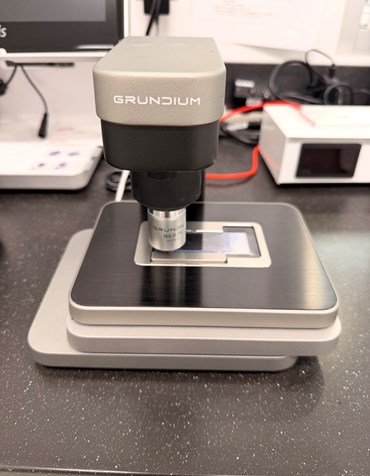
Our in-house diagnostics allow for faster answers and more efficient treatment planning, helping us identify concerns early and begin appropriate care sooner. Hope Springs Veterinary also utilizes the Imagyst® digital microscope and diagnostic platform, an advanced technology that combines high-resolution imaging with artificial intelligence-assisted analysis. Imagyst helps our medical team evaluate samples such as ear cytology, skin cytology, fecal testing, blood smears, and other microscopic diagnostics with enhanced accuracy and rapid turnaround times. This technology supports earlier detection of parasites, infections, inflammation, and other abnormalities, allowing for more informed medical decisions and personalized treatment plans.
By combining experienced veterinary expertise with innovative diagnostic tools, we strive to deliver comprehensive, efficient, and high-quality care tailored to each pet’s individual health needs.
At Hope Springs, we offer the following in the way of laboratory and diagnostic testing for your pet:
- Electrocardiogram (ECG). An ECG is an important part of your pet's preventative healthcare program, regularly screening your pet for heart disease. Heart disease can have subtle, unnoticeable symptoms that may be hard to detect with the eye. With early detection, treatment may be provided to your pet, extending your pet's comfort and life.
- Preventative Wellness Bloodwork. Our doctors recommend this internal check to assess your pet's major organs, while ruling out unnoticed infections and determining blood clotting ability. Blood tests allow doctors to safely and effectively diagnose, monitor and treat a range of illnesses and diseases, with the goal of early detection for any potential findings. These tests include:
- Complete Blood Count (CBC). The most common test performed on pets, a CBC provides information on hydration status, infection, anemia, blood clotting ability and immune system responsiveness. Essential for symptomatic pets with fever, diarrhea, vomiting, weakness, pale gums or appetite loss, a CBC can also detect abnormalities prior to surgical or other medical treatments.
- Chemistry Tests. These common tests monitor organ function, hormone levels, electrolyte status and a variety of other internal functions. They are a vital part of treating older pets on longer term medications or prior to receiving anesthesia.
- Thyroid Function Tests. Useful in determining malfunctions of the thyroid gland, thyroid function tests look for hypothyroidism and hyperthyroidism in both dogs and cats.
- Urinalysis. Recommended for all patients aged 6 years or older, a urinalysis evaluates the health and functionality of the urinary system, aiding in the early detection of kidney disease in older pets.
- Blood Parasite Screen. The Blood Parasite Screen is an annual test that checks for Heartworms and three tick-borne diseases (Lyme Disease, Anaplasmosis and Ehrlichia).
- Additional On-Site Testing for Feline Leukemia, FIV, Feline Heartworms, Canine and Feline Pancreatitis and Parvo Virus with results provided before the end of your pet's appointment.
 Great Bridge
Phone: 757-547-1600
Request an Appointment
 Pembroke
Phone: 757-464-0169
Request an Appointment
 Sajo Farm
Phone: 757-464-6009
Request an Appointment
We want to help you stay well informed about preventive pet health care. Explore our pet health resources and advice below to learn more.


